


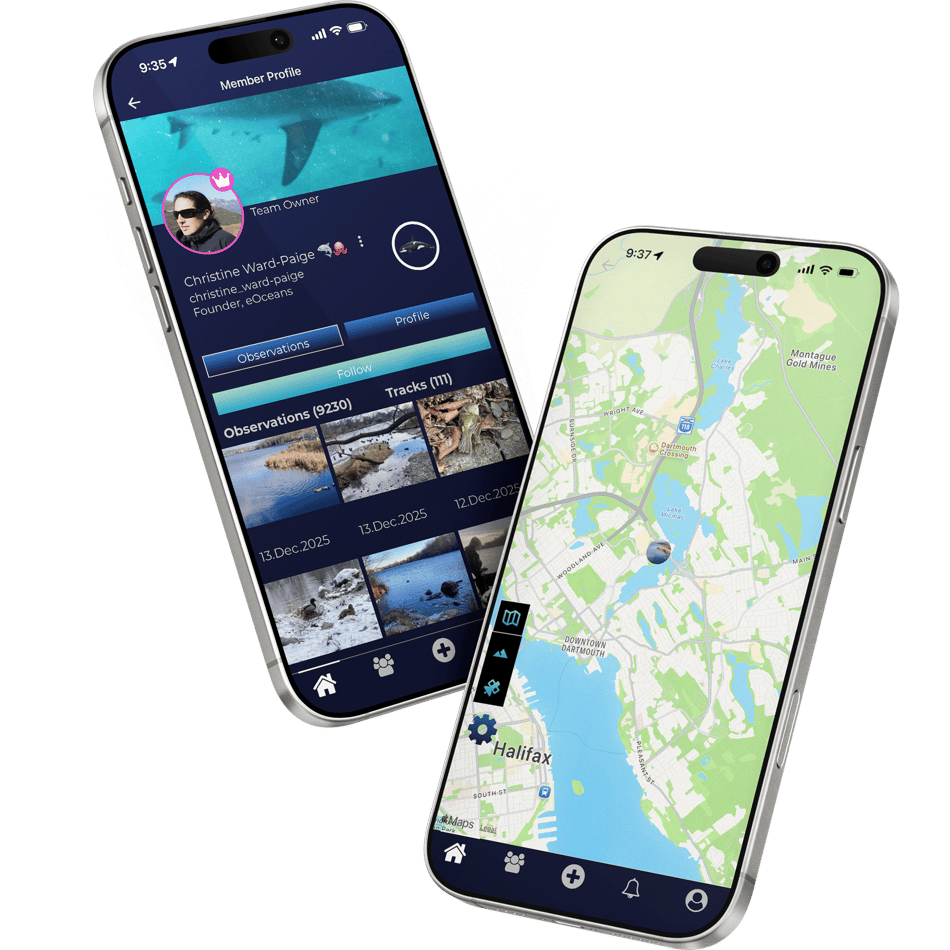
eOceans connects marine researchers with citizen-collected biodiversity data through a React Native mobile platform. The application enables public contributors to document ocean observations while providing scientists with aggregated real-time datasets for environmental analysis. Rollin focused on technical optimization of the existing application, addressing performance constraints and interface inefficiencies that affected data collection workflows across iOS and Android platforms.
Platforms:
iOS, Android
Deliverables:
Mobile Application
Tech stack:
React Native
Understanding the challenge
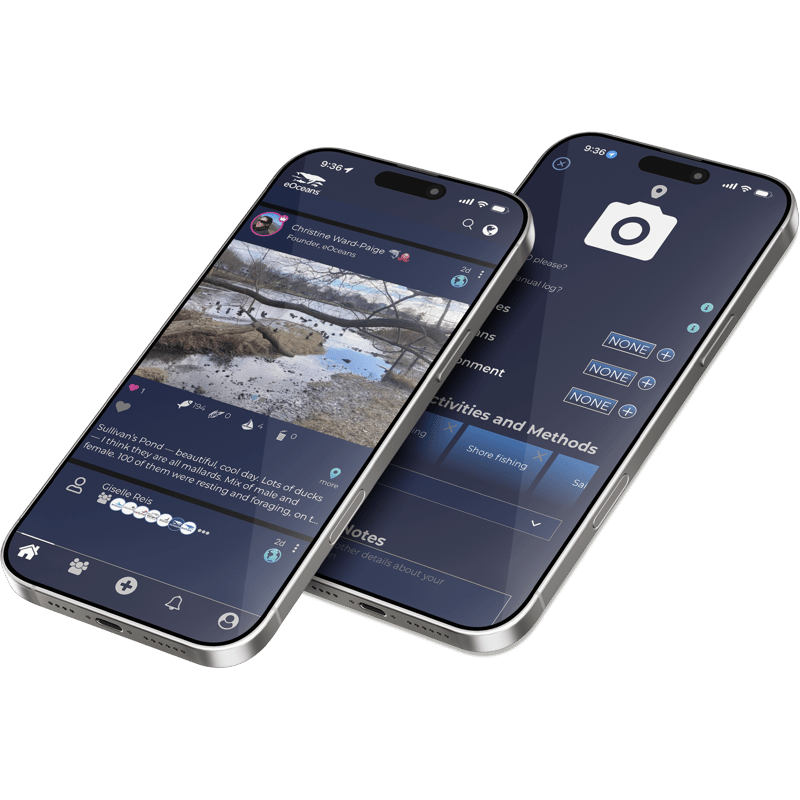
Serving both casual observers and research teams from a single mobile application creates unique technical demands. While citizen scientists needed straightforward ways to log marine sightings in field conditions, researchers required consistent access to aggregated datasets for biodiversity analysis. Browser compatibility issues emerged when scientists accessed the platform through Safari, and navigation performance needed refinement to support quick data entry during ocean observations.
Finding the right solution
Our team optimized the React Native navigation stack to reduce transition delays between application screens, and addressed rendering inefficiencies in interface components where user interactions showed measurable lag. The work extended to the ExpressJS backend, refining data flow between the mobile application and research databases. Performance profiling guided specific optimizations in areas affecting both casual observers logging sightings and scientists accessing aggregated information.
Delivering outstanding results
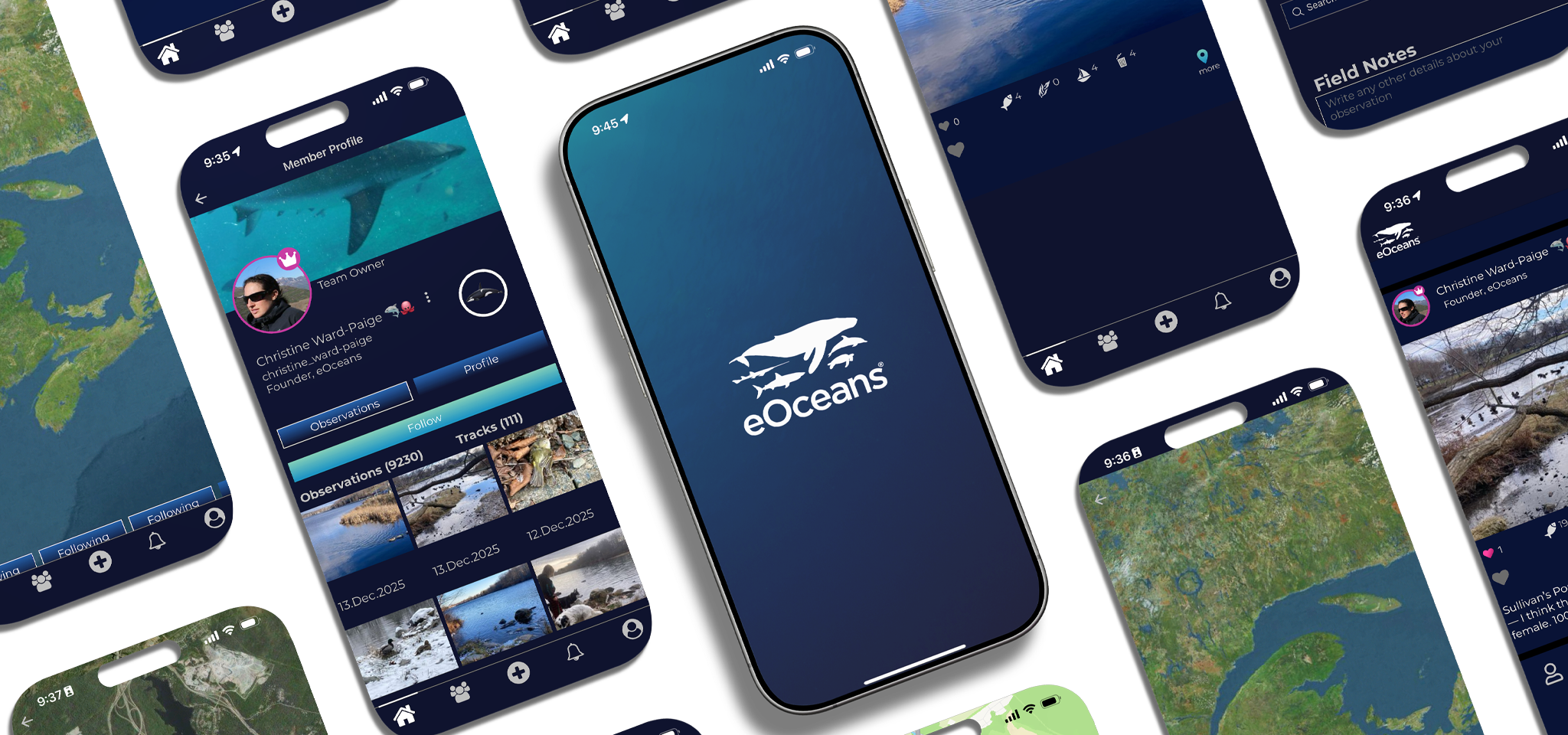
Reduced navigation delays improved data entry efficiency for contributors documenting marine observations, and researchers accessing the platform experienced more consistent performance when analyzing aggregated datasets. The optimization work strengthened the technical foundation supporting eOceans' mission of connecting public ocean observations with scientific research. The usage increased as the observation network expands due to the performance improvements.
Improved Data Collection Workflow Efficiency
Reduced Interface Friction for Field Observations
Enhanced Platform Performance Consistency
Strengthened Technical Scalability
Case studies